.jpeg)

Welcome to Ayurveda
Ayurveda, meaning "science of life," is a 5,000-year-old holistic healing system from India. It emphasizes balance between mind, body, spirit, and environment to promote health and prevent disease. Explore this website to learn how Ayurveda views the human body and discover your unique constitution.
Ayurveda is considered by many scholars to be the oldest healing science. Ayurveda is often called the “Mother of All Healing.” It stems from the ancient Vedic culture and was taught for many thousands of years in an oral tradition from accomplished masters to their disciples. Some of this knowledge was set to print a few thousand years ago, but much of it is inaccessible. The principles of many of the natural healing systems now familiar in the West have their roots in Ayurveda, including Homeopathy and Polarity Therapy.
About Ayurveda
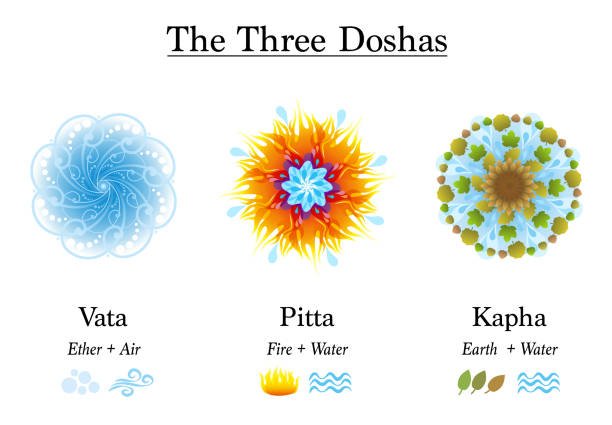
Ayurveda is based on the belief that everything in the universe is connected and composed of five elements: space, air, fire, water, and earth. These combine to form three life forces or doshas : Vata (space and air), Pitta (fire and water), and Kapha (water and earth). Each person has a unique dosha balance, influencing their physical and mental traits.
Health is achieved by maintaining dosha balance through diet, lifestyle, herbal remedies, yoga, meditation, and cleansing practices like Panchakarma.
The Human Body in Ayurveda
Ayurveda views the human body as a microcosm of the universe, governed by the five elements (Pancha Mahabhoota) and three doshas. Below are key components:
- Doshas: Vata controls movement (e.g., breathing, circulation), Pitta governs digestion and metabolism, and Kapha manages structure and immunity.
- Saptadhatus: Seven tissues—Rasa (plasma), Rakta (blood), Mamsa (muscle), Meda (fat), Asthi (bone), Majja (marrow), and Shukra (reproductive tissue)—form the body’s structure.
- Malas: Waste products—Purisha (feces), Mutra (urine), and Sweda (sweat)—are eliminated to maintain health.
- Prakriti: An individual’s unique constitution, determined by dosha balance at birth, influences health and disease susceptibility.
Imbalances in doshas, dhatus, or malas lead to illness, which Ayurveda addresses through personalized treatments.
Doshas: The Life Forces
Doshas are the three fundamental energies—Vata, Pitta, and Kapha—that govern all physiological and psychological functions in the body. Each dosha is a combination of the five elements (space, air, fire, water, earth) and has specific roles:
- Vata (Space & Air): Controls movement, including breathing, circulation, and nerve impulses. Imbalance leads to anxiety, dry skin, or constipation.
- Pitta (Fire & Water): Manages digestion, metabolism, and body temperature. Imbalance causes anger, inflammation, or acid reflux.
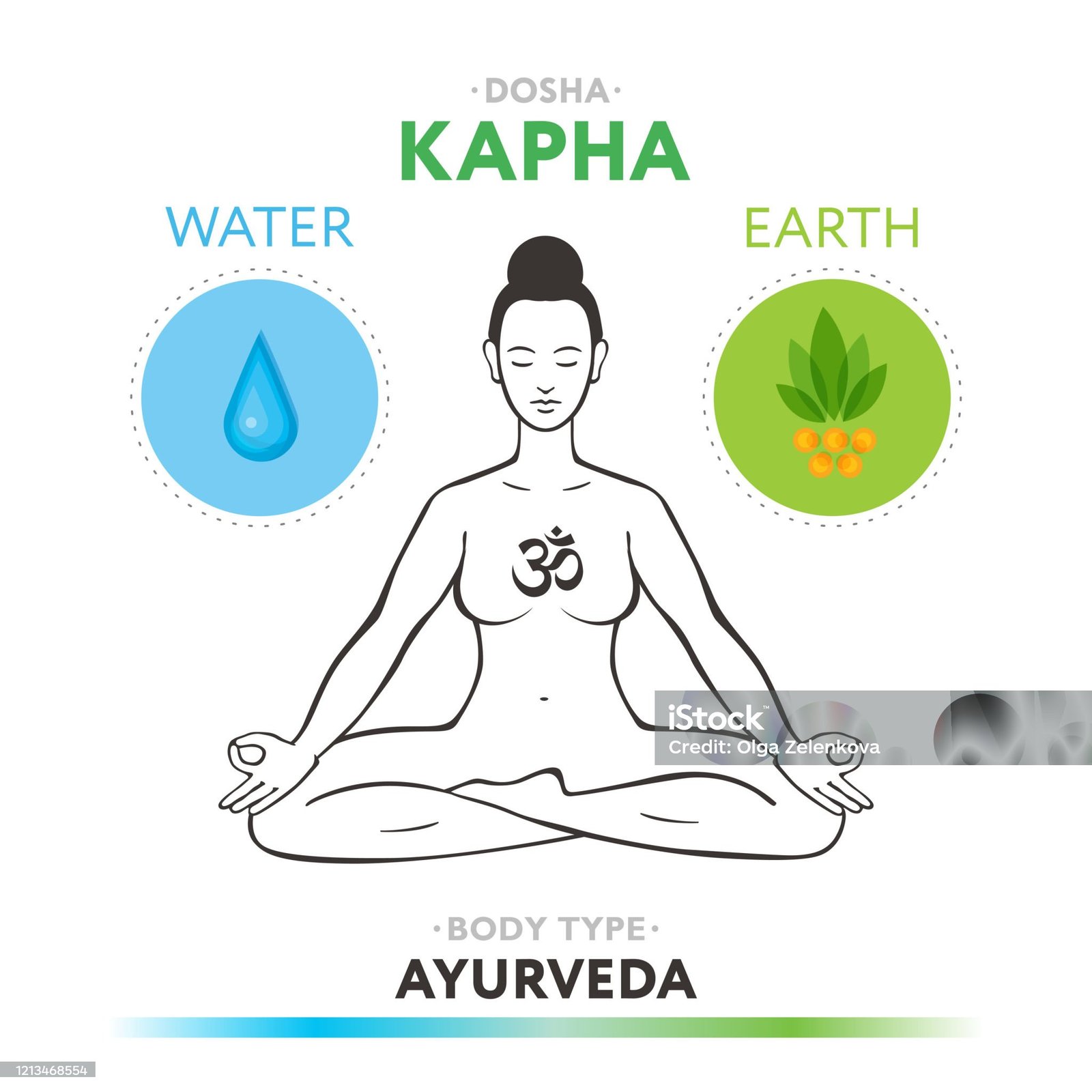
- Kapha (Water & Earth): Provides structure, lubrication, and immunity. Imbalance results in lethargy, weight gain, or congestion.
Balancing doshas through diet, lifestyle, and therapies is key to health in Ayurveda.
Saptadhatus: The Seven Tissues
Saptadhatus are the seven essential tissues that form the body’s physical structure and sustain life. They are nourished sequentially through digestion, and their health is vital for vitality:
- Rasa: Plasma, nourishes all tissues and supports immunity.
- Rakta: Blood, carries oxygen and maintains vitality.
- Mamsa: Muscle, provides strength and movement.
- Meda: Fat, lubricates and stores energy.
- Asthi: Bone, supports the body’s framework.
- Majja: Bone marrow, fills bones and supports the nervous system.
- Shukra: Reproductive tissue, responsible for reproduction and vitality.
Imbalances in dhatus can lead to weakness or disease, addressed through proper nutrition and therapies.
Malas: The Waste Products
Malas are the body’s waste products, essential for maintaining health through their proper elimination. The three primary malas are:
- Purisha: Feces, eliminates solid waste from digestion.
- Mutra: Urine, removes liquid waste and toxins.
- Sweda: Sweat, regulates body temperature and eliminates toxins through the skin.
Impaired elimination of malas can cause toxin buildup (ama), leading to illness. Ayurveda emphasizes detoxification to support mala excretion.
Prakriti: Your Unique Constitution
Prakriti is an individual’s innate constitution, determined at conception by the balance of doshas (Vata, Pitta, Kapha). It defines one’s physical, mental, and emotional traits, such as body type, temperament, and disease tendencies.
For example, a Vata-dominant person may be slender and creative, while a Kapha-dominant person may be sturdy and calm. Understanding your Prakriti helps tailor diet, lifestyle, and therapies to maintain balance and prevent disease.
Ayurvedic practitioners assess Prakriti through pulse diagnosis, observation, and questionnaires.

Discover Your Dosha
Take this simple quiz to get an idea of your dominant dosha. Answer the following questions based on your natural tendencies.
1. How would you describe your body type?
2. How is your digestion?
3. How do you react to stress?